
Tag: technology
-
“Build” (Book Review)

Tony Fadell is probably one of the most successful and well known product people alive. Fadell led the teams that built the iPod, the iPhone and was the CEO of Nest, the popular thermostat which was later on acquired by Google. In “Build: An Unorthodox Guide to Making Things Worth Making” Fadell reflects on his…
-
ElevenLabs (Product Review)

My summary of Eleven Labs before using it – ElevenLabs turns text into voice. How does ElevenLabs explain itself in the first minute? On its website ElevenLabs explains that its users can create natural AI voices instantly in any language. How does ElevenLabs work? I select a language – English – and sample text is…
-
What is Retrieval-Augmented Generation (RAG)?

As we’re getting more used to Large Language Models (LLMs) and their applications, we’re also starting to see the gaps in the accuracy and reliability of the responses that we get from these models. LLMs can start hallucinating, which means that they provide a response that might seem accurate at first glance, but isn’t. One…
-
Learning about video and generative AI (2)
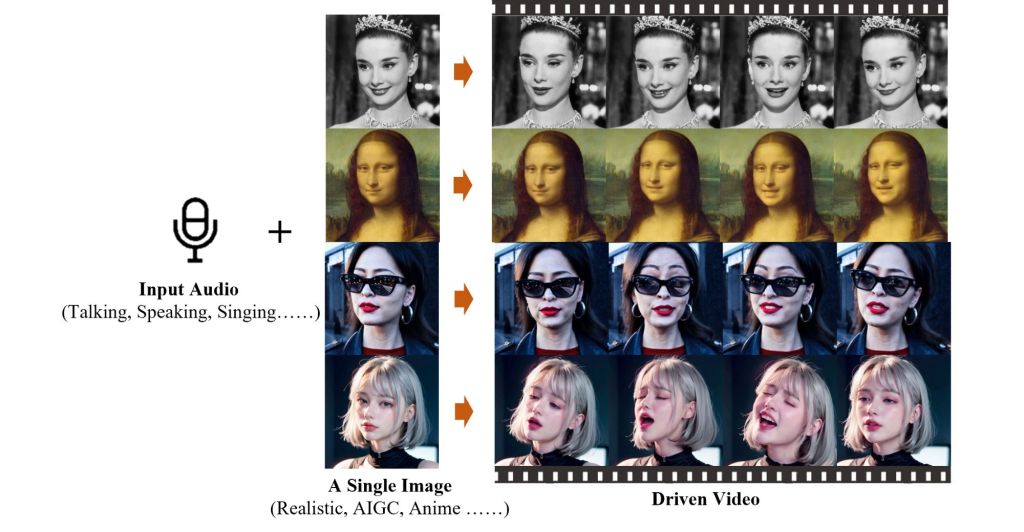
Last week I wrote about the arrival of Sora and this week I’ll cover two new contributions to the field of video and AI: Meta’s “V-JEPA” method and Alibaba’s “EMO” model. EMO With EMO (Emote Portrait Alive – why wasn’t it called “EPO”?!), users can create singing or talking videos, based off a static image…
-
Learning about video and generative AI (1)
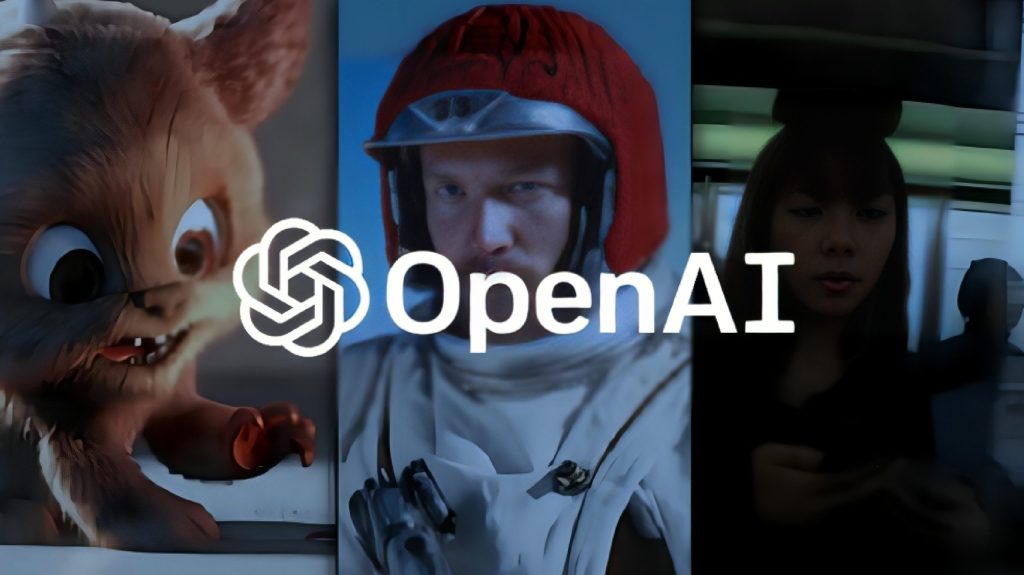
A couple of weeks ago, we saw and heard about two interesting breakthroughs in the world of AI generated content: Sora and V-JEPA. In this post I want to touch on SORA and its promise (and potential dangers) for the field of content production. Sora OpenAI has now introduced Sora, an AI model that generates…
 As I learn ...