
-
Gamification – Motivation and rewards
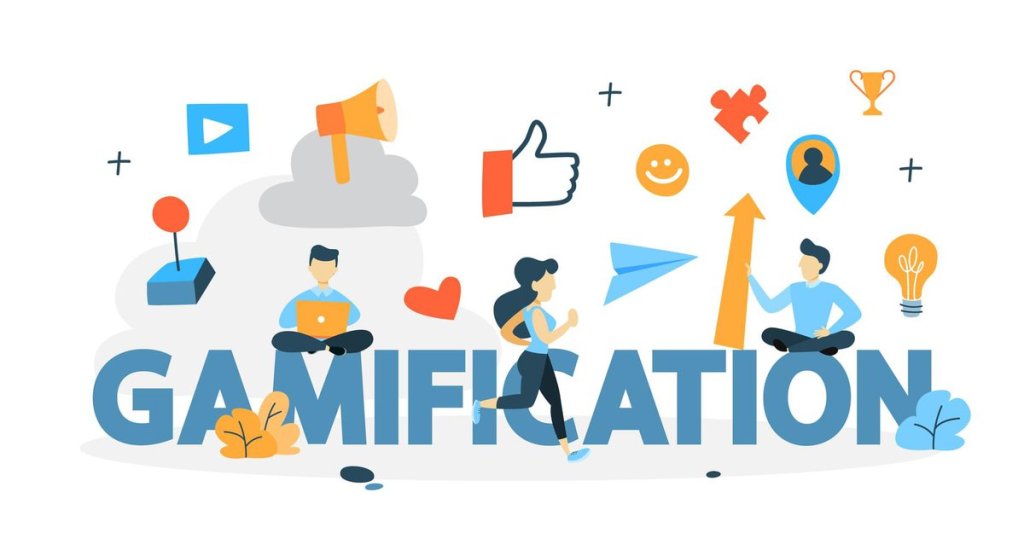
In the world of gamification one of the key questions is how to motivate people and how to keep them motivated. I recently did an online course on gamification, in which this topic was explored in quite some detail. The course was instructed by Kevin Werbach, an Associate Professor of Legal Studies and Business Ethics at…
-
Gamification – What is it?

I recently started doing an online course on “Gamification” which was lectured by Kevin Werbach, an Associate Professor of Legal Studies and Business Ethics at Wharton School, Pennsylvania. In his first couple of lectures, Kevin concentrated on the meaning of gamification and its value. Let’s start with a good definition of what gamification is: “The…
-
Using mental models to prevent “human error”

One of the last lectures of my online Human-Computer Interaction (‘HCI’) course by Scott Klemmer was all about “mental models” and their role within HCI. The proposition that people rely on mental models was first introduced by Scottish psychologist Kenneth Craik who wrote that the mind constructs “small-scale models” of reality that it uses to reason,…
-
What to do with Apple’s “iBeacon”?

The ‘iBeacon’ is Apple’s recent product which uses location-sensing technology to help extend location services within the iOS operating system. For example, with the help of an iBeacon an iOS device or other hardware can alert its (location based) apps when a user leaves or enters a certain location. Also, when a user is getting closer…
-
“Collaboration Explained” (Book Review)
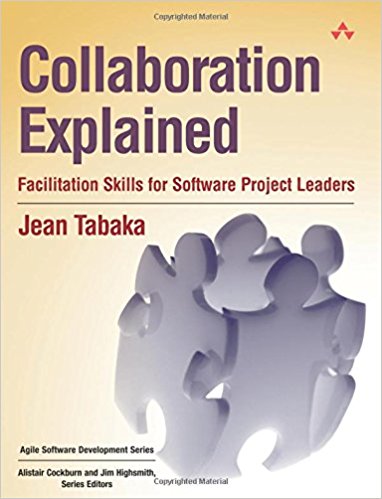
The book “Collaboration Explained” by Jean Tabaka was published in 2006 and had been on my ‘books to read’ list for quite a while before I finally got my hands on it. Jean Tabaka specialises in Agile software development and has worked closely with a host of businesses and teams to implement Agile methodologies. In “Collaboration…
 As I learn ...