
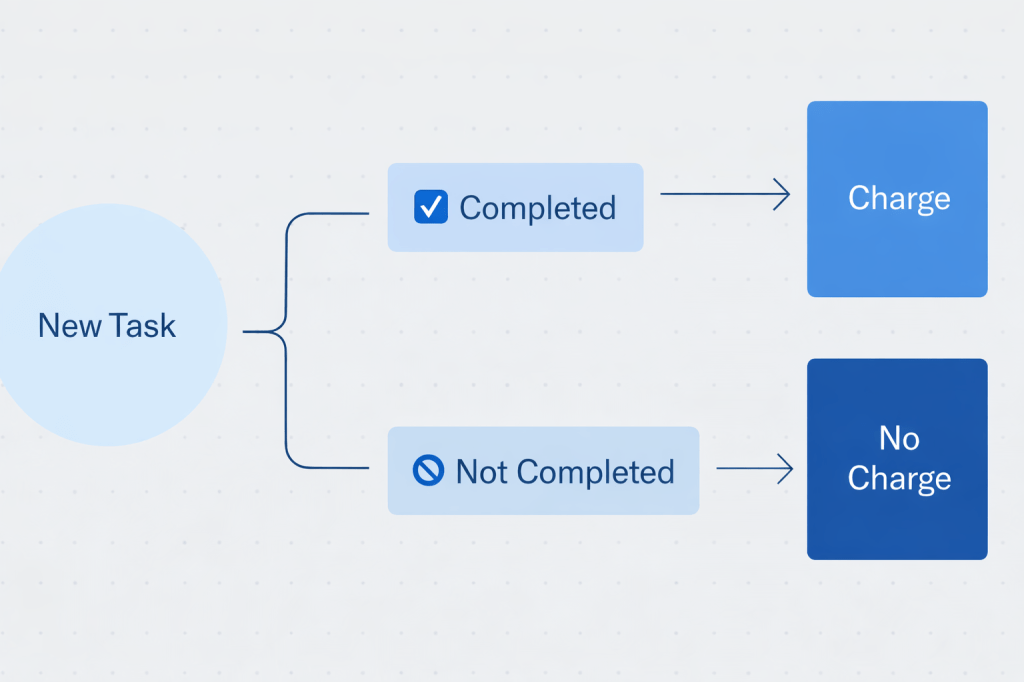
I’ve written about pricing before and value based pricing in particular. Value-based pricing sets prices mostly based on the customer’s value perception or willingness to pay, rather than on production cost or competitor pricing.
Fixed or variable pricing models are most common among software companies, with vendors either charging a seat-based or usage-based rate.
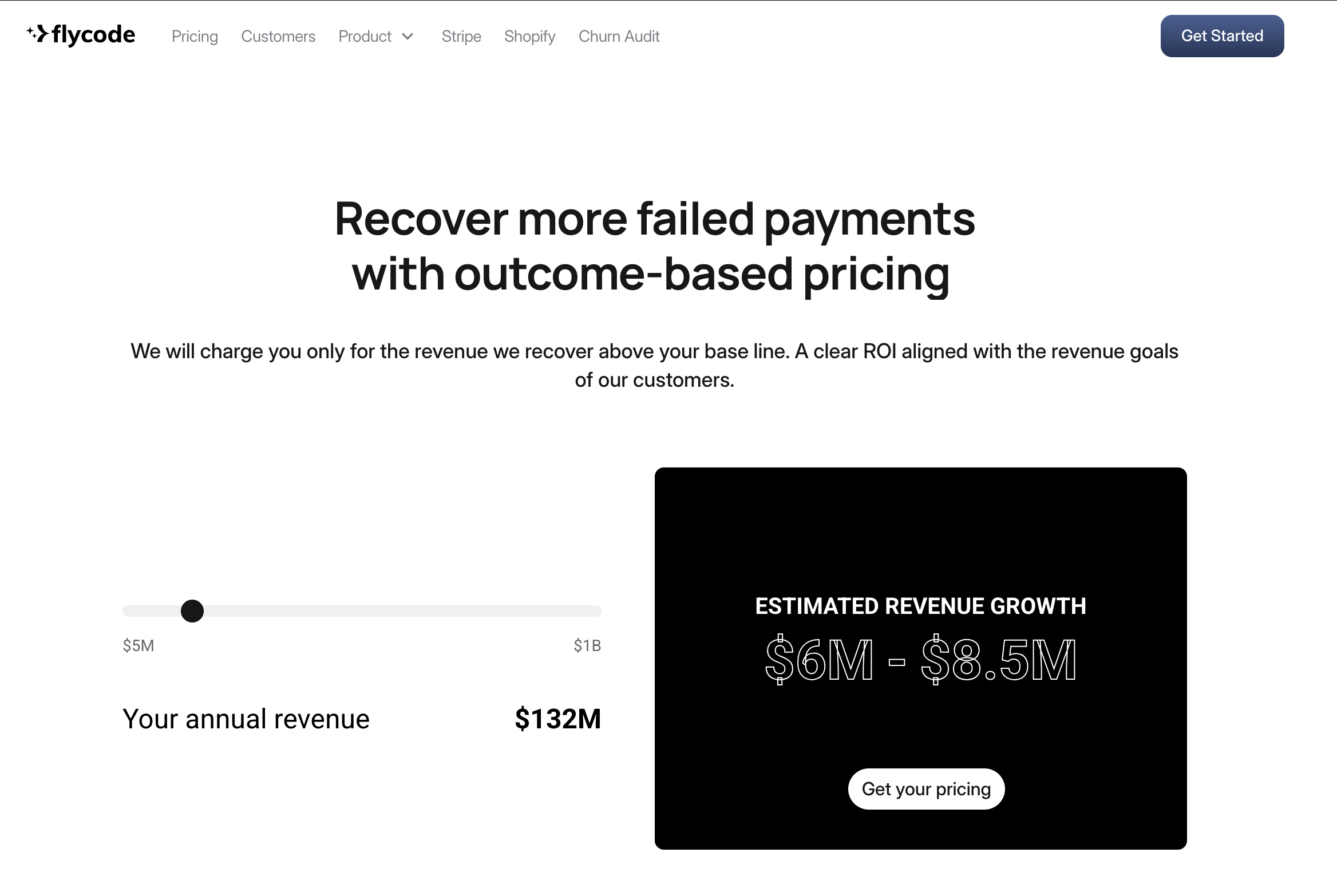
With the rise of AI agents we’re also seeing the rise of outcome-based pricing, where vendors charge users based on outcomes completed. Like usage-based pricing, outcome-based pricing varies with usage. The biggest difference is that outcome-based pricing links directly to measurable business impacts. Think of examples like flycode which charges based on recovered revenue, or Riskified where the model is based on percentage of fraud charges prevented.
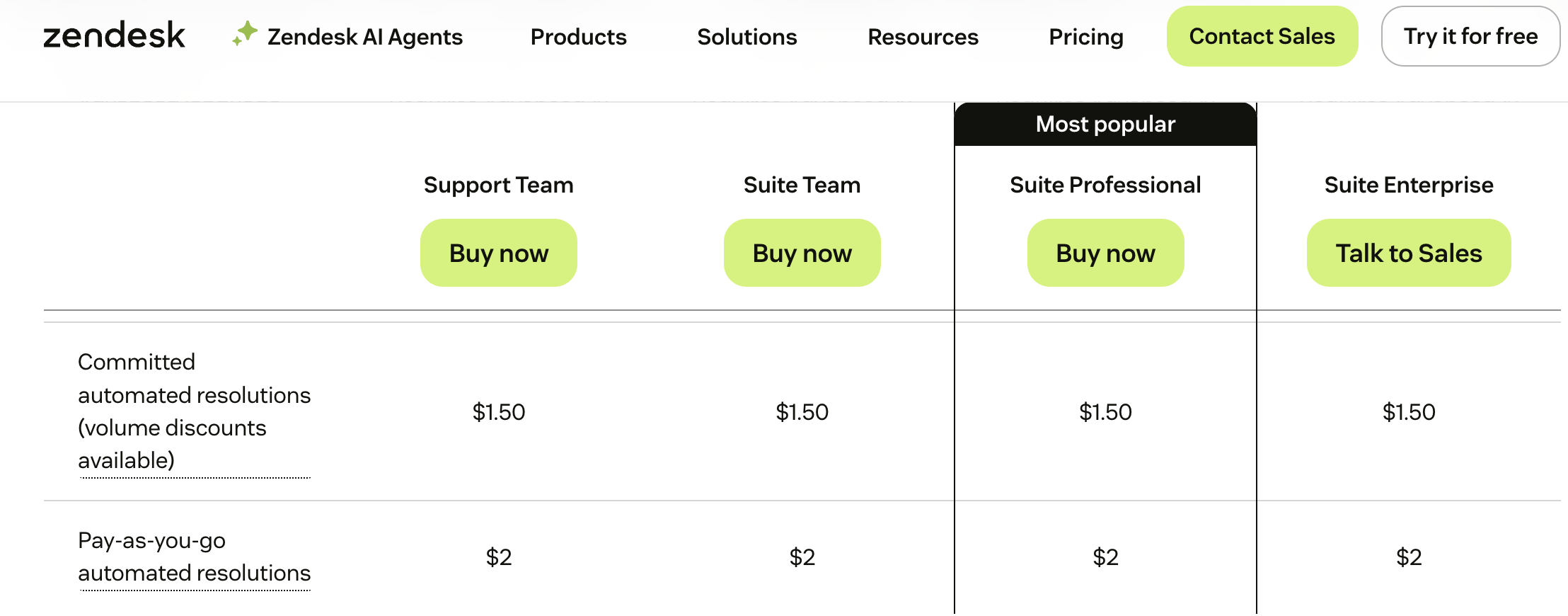
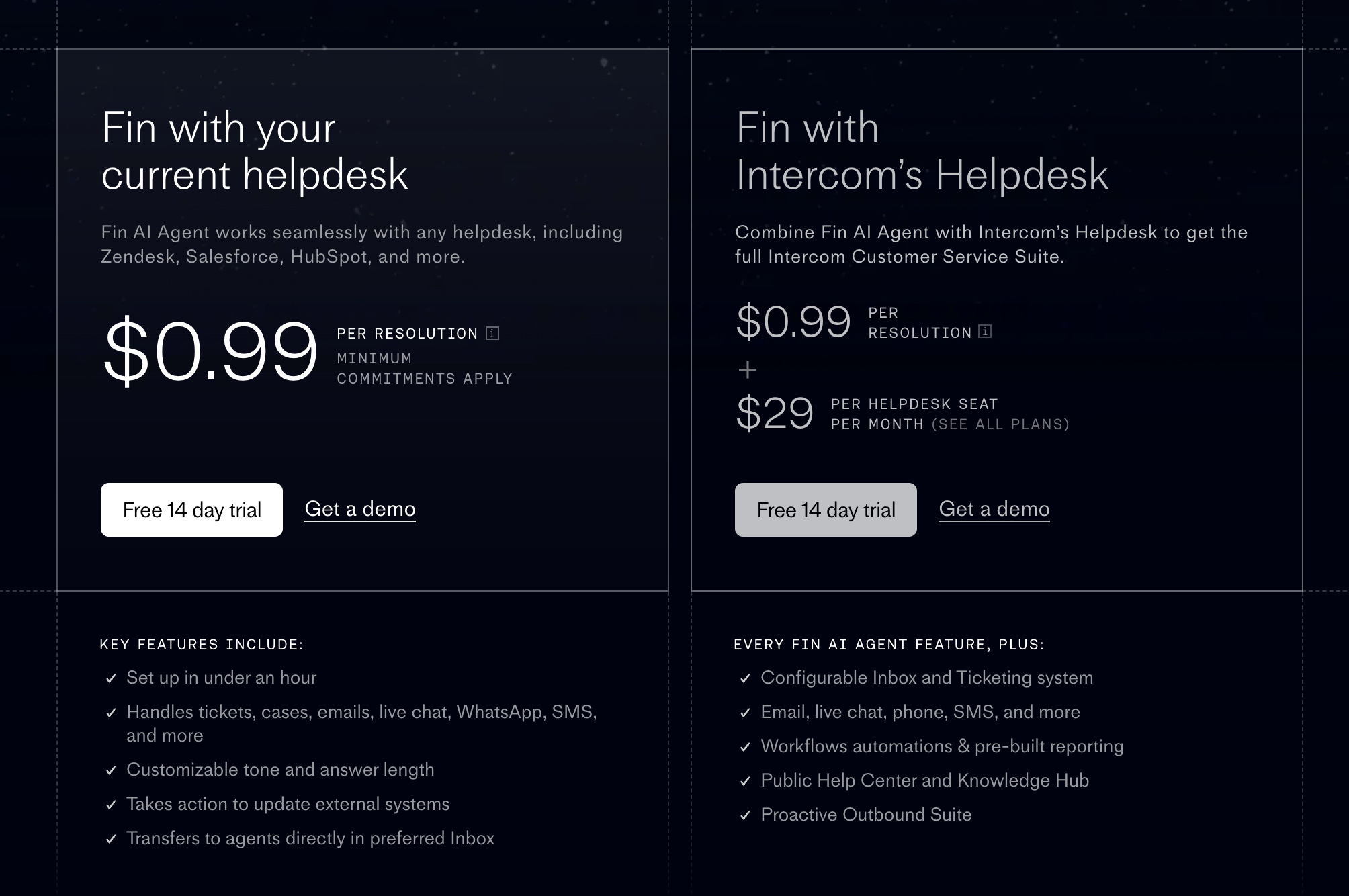
Companies are likely to pay vendors for specific use cases (e.g. triaging and resolving customer queries – see Zendesk and Intercom examples below – or qualifying leads) or tangible business impact (e.g. reducing operational cost).
Within outcome-based pricing you can make a distinction between jobs completed and financial outcomes achieved:
- Jobs completed – Resolved customer enquiries or qualified sales leads.
- Financial outcomes – Revenue growth or costs reduced.
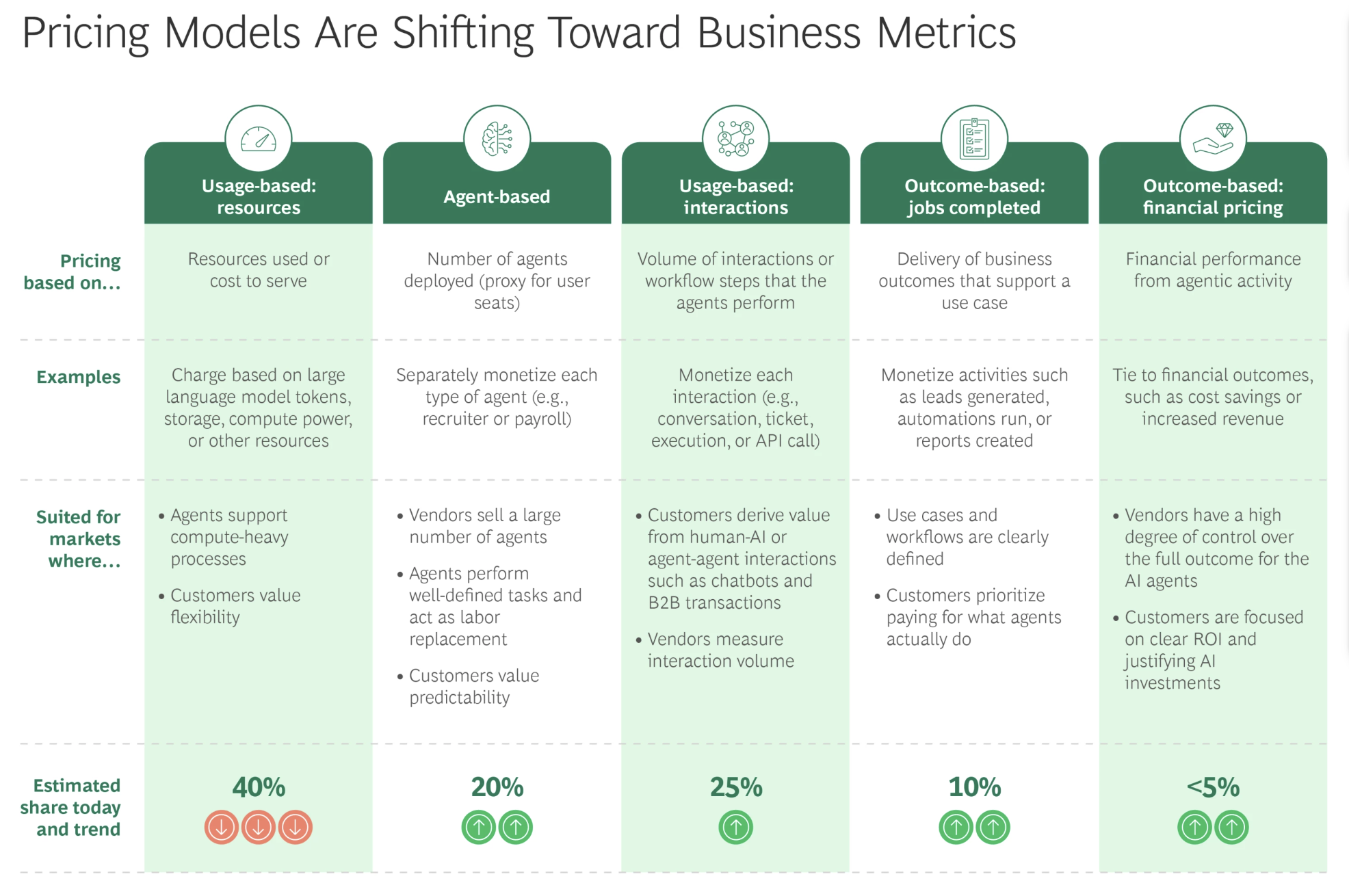
The biggest challenge with outcome-based pricing is a definition one. How do vendor and user align on what constitutes a “successful” outcome or when a task is “completed”?
Companies are likely to pay vendors for specific use cases (e.g. triaging customer queries or qualifying leads) or tangible business impact (e.g. reducing operational cost). Outcome-based pricing feels like a natural fit for AI agents in the customer support or sales automation space. But what about AI agents where the vendor has less control over a successful outcome? Take legal research agents such as CoCounsel where case outcomes depend on lawyer interpretation and the judge’s decision or medical diagnosis agents like Tandem where health outcomes rely on factors such as doctor decisions and patient compliance.
Main learning point: Outcome-based pricing aligns vendor incentives with customer success, but only works when vendors can reasonably control or influence the measured outcomes. For AI agents operating in complex domains with multiple dependencies, traditional pricing models may prove more sustainable.
Related learnings for further learning:
- https://sierra.ai/blog/outcome-based-pricing-for-ai-agents
- https://growthmarketing.ai/intercom-cpo-explains-why-most-saas-companies-wont-survive-ai/
- https://www.zendesk.co.uk/newsroom/articles/zendesk-outcome-based-pricing/
- https://sendbird.com/blog/ai-agent-pricing
- https://www.bcg.com/publications/2025/rethinking-b2b-software-pricing-in-the-era-of-ai
- https://medium.com/agentman/the-complete-guide-to-ai-agent-pricing-models-in-2025-ff65501b2802
 As I learn ...